Encrypted data is fundamental to maintaining online security and protecting sensitive information. In this article, we will explore the benefits of data encryption, why it should be a top priority for users, and how SafePass-DB leverages the powerful AES algorithm to enhance security.
Understanding Encrypted Data
Encrypted data is information that has been converted into a secure, unreadable format through the use of encryption algorithms. This process involves transforming plaintext data into ciphertext, which can only be decrypted back into its original form using a secret key. By doing so, encryption ensures that even if data is intercepted by malicious actors, it remains unintelligible and secure.
Benefits of Data Encryption
Encryption offers multiple advantages, including:
- Enhanced Security: It provides an additional barrier against cyberattacks and data breaches.
- Protection of Sensitive Information: Personal, financial, and login data are safeguarded from unauthorised access.
- Compliance and Trust: Using encryption helps meet regulatory standards and builds user trust by demonstrating a commitment to privacy.
SafePass-DB’s Use of Advanced Encryption, Including AES
At SafePass-DB, we are committed to safeguarding your data with the most reliable encryption technologies available. Central to our security measures is the implementation of the Advanced Encryption Standard (AES), a globally recognised encryption algorithm.
What is AES?
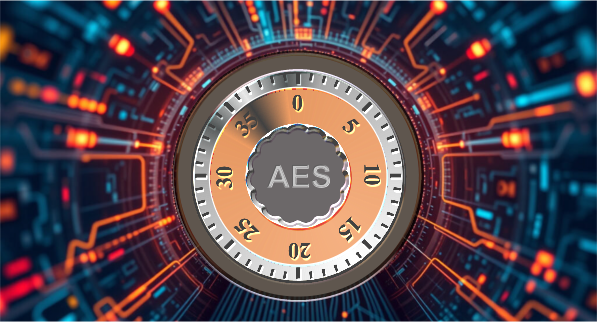
AES is a symmetric key encryption algorithm adopted by governments, financial institutions, and security experts worldwide. It encrypts data using a fixed block size of 128 bits and supports key sizes of 128, 192, or 256 bits, with AES-256 being the most secure option. The algorithm performs a series of complex transformations on the data, making it extremely difficult for attackers to decipher without the correct key.
Why Use AES?
AES is renowned for its:
- Strength and Security: Its complex encryption process and large key sizes make it resistant to brute-force attacks.
- Efficiency: AES provides fast encryption and decryption, suitable for encrypting large volumes of data.
- Standardisation: It is standardised by the National Institute of Standards and Technology (NIST), ensuring broad trust and compatibility.
How SafePass-DB Utilises AES
In SafePass-DB, all your sensitive data—such as passwords and personal information—is encrypted using AES, specifically with a 256-bit key for maximum security. This means that your data is converted into ciphertext that can only be decrypted with your master password or encryption key. This symmetric encryption process ensures that your data remains confidential and protected from unauthorised access, whether stored locally or in the cloud.
A very clear and informative overview of why encryption is so important for protecting sensitive data. The explanation of AES-256 and how SafePass-DB uses it to secure passwords and personal information makes a complex technical topic easy to understand. It is reassuring to see security and user privacy treated as a priority.
It’s easy to take encryption for granted, but it’s amazing to think that even if someone got hold of your data, they still couldn’t read it without the key. Understanding how encryption works definitely makes me appreciate the security we rely on every day a little more.
Nice, clear explanation! I like that AES-256 is explained simply, and knowing my data is locked with my master password is reassuring. 🔒